

FROM FALLING PETALS TO NEW BLOOM
PLAY MOVIE (please click here)
On their seventh wedding anniversary, Liu Xiaoyan and Li Ziyang end their marriage amidst a bitter argument. However, on the very day they receive their divorce certificate, Xiaoyan is diagnosed with suspected gastric cancer. Faced with the sudden onset of a terminal illness and the sting of perceived betrayal, the two—who had become virtual strangers—are forced back into each other's lives. Li Ziyang casts everything aside to accompany his ex-wife on a grueling journey toward recovery. Within the walls of a hospital ward filled with joy and sorrow, they witness the fragility of life and taste the bitterness of human nature. Yet, in this desperate struggle, they begin to re-examine one another and the true meaning of marriage. Moving from resentment and collapse to a bond where they must rely on each other to survive, they nourish their nearly withered love with blood and tears amidst the agony of fighting the disease. This is a journey of life defined by betrayal and protection, despair and rebirth, farewells and reunions. When the long winter finally fades, the flowers that once withered shall surely bloom again.
You may also like after: FROM FALLING PETALS TO NEW BLOOM
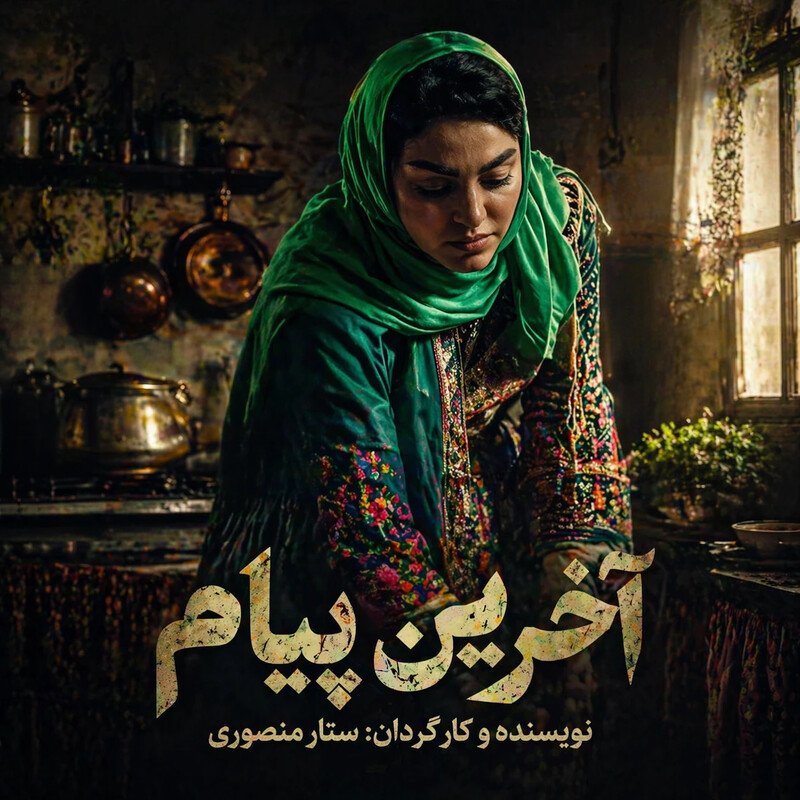
The Last Message
"The Last Message" plunges the audience into the heart of a remote village in southern Iran, focusing on a woman whose life is dictated by deeply ingrained traditions and the subtle yet powerful pressures of her community. She finds herself at a critical juncture, burdened by a secret and the daunting prospect of a life-altering decision. The film meticulously crafts an atmosphere of profound silence, mirroring the protagonist's emotional isolation and her inability to articulate her inner turmoil. As she grapples with the expectations of her family and the rigid social fabric of the village, her every gesture and glance becomes a testament to her inner strength and resilience. The narrative eschews overt drama for a more introspective exploration of her emotional landscape. The film observes her quiet resistance, her unspoken hopes, and the immense courage required to confront a path that diverges from the prescribed one. "The Last Message" is a deeply human story about the weight of tradition, the courage of conviction, and the enduring power of the female spirit in the face of overwhelming odds.
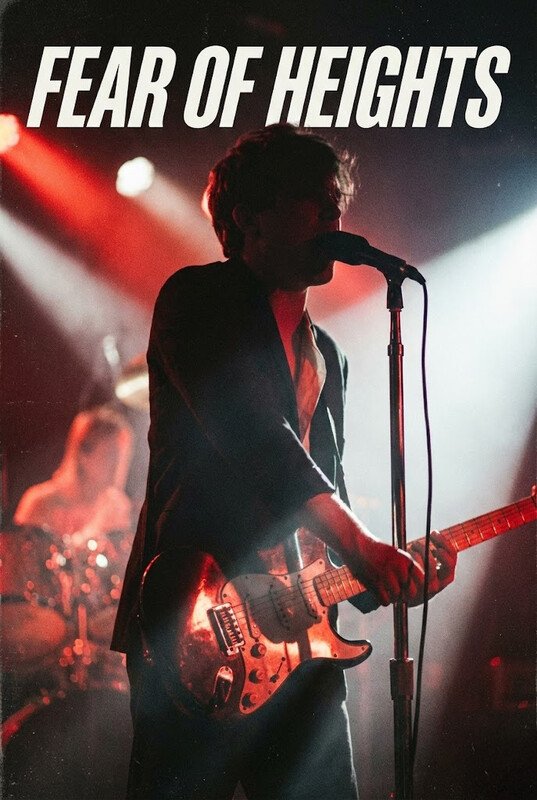
In 1983, film student Rich Murray was handed $20,000 in a brown paper bag by a hustler named 'Butch.' These were the funds he used to direct his first music video for a local Philly rocker named Alan Mann. That video for the song “Christmas on the Block”, went on to become the first and perhaps only video by an unsigned artist to play on regular rotation on MTV. Using “Christmas on the Block” as a framing device, Murray illuminates Mann’s larger story - and how he could have, should of and almost did make it, but didn’t because of his excesses, and a tragic accidental death. The film also turns the lens sharply on the film’s director (Murray) and how his own excesses might have resulted in the same tragic trajectory, that but for wisdom and luck, did not.

Set ninety-seven years after a nuclear war has destroyed civilization, when a spaceship housing humanity's lone survivors sends one hundred juvenile delinquents back to Earth, in hopes of possibly re-populating the planet.

Our apologies the film has been removed as it has not met our terms & conditions of participation, Reason: no screener download link was provided as requested. CIFF Admin
Katerina works in a registry office. She helps seal loving hearts, while her own marriage has been on hold for a long time. Katerina's husband has been in a coma for five years, and the family seems to be stuck with him. A new love brings a major change in Katerina's life, forcing her to make choices that she was previously afraid to make.
Directed by Dao Xi. 1h 45min 13sec
Xi Dao is a distinguished Chinese director, screenwriter, and musician. He is a member of the China Film Association. His academic background is interdisciplinary, spanning music composition, film directing, and Chinese Language and Literature. He received systematic training in vocal performance, acting, and directing theory under the tutelage of senior professors from the prestigious Central Academy of Drama.
Filmography & Credits
As Flowers Fade and Bloom Again (Director, Screenwriter)
The Mountain, The Water, The Man (Director, Screenwriter)
Youth Enlightenment (Director, Screenwriter)
The Willow Mountain (Director)
Father, Love Me Once More (General Director)
Blue Dream Youth (Director)
Film Festival Recognition
As Flowers Fade and Bloom Again: Received official invitations from five international film festivals.
The Willow Mountain: Nominated for the 5th Hong Kong Bauhinia Magazine International Film Festival.
Youth Enlightenment: Nominated for the 2nd Hong Kong Bauhinia Magazine International Film Festival.
Music & Awards
Beyond his cinematic achievements, Xi Dao is a celebrated musician.
“I Want to Go to Honghe”: His city-image song won the 2010–2011 China Tourism Marketing National Award for “China’s Most Influential Tourism Marketing Event.” The song was also selected for the CCTV program I Want to Join the Spring Festival Gala.
Honorary Titles: In 2013, he was awarded the titles of “Honorary Citizen” and “Tourism Image Ambassador” by Zepu County, Xinjiang.
Director Statement
Creative Motivation
The film uses terminal illness as a mirror to examine the deep-seated core of modern marriage. At the exact moment their legal union dissolves, a divorced couple is forced to re-examine one another at the precipice of life and death. The story reveals a resilient human connection that transcends the boundaries of a legal contract.
Core Features
Unique Narrative Structure: The story begins where a marriage ends. Under the shadow of a terminal diagnosis, the characters undergo a process of “emotional reconstruction,” showcasing the second blooming of love rising from the ruins.
Authentic Characterization: The protagonists are not portrayed as “perfect victims” or “noble guardians”; they struggle and grow through a realistic tangle of guilt, suspicion, and duty. The diverse inhabitants of the hospital ward form a social microcosm, grounding the film in a thick sense of reality.
Powerful Emotional Impact: Closely following the arc of “Divorce – Diagnosis – Tribulation – Rebirth,” the plot weaves together physical agony, crises of trust, and the resurgence of hope. Ultimately, it achieves a profound deconstruction and rebuilding of the meaning of marriage.
Profound Social Value: Transcending the traditional framework of a love story, the film interprets the contemporary meaning of “companionship”—it is the refusal to leave even at one’s most unbearable moment, and the mutual cherishing found after traversing the valley of the shadow of death together.
Rich Aesthetic Imagery: The motif of “flowers” permeates the entire film. The cinematic space shifts from a home filled with conflict to the warmth of the hospital, and finally to a vast sea of new blossoms, externalizing the characters’ internal journeys. Surreal dream sequences are utilized to inject the film with poetic depth.


There are no reviews yet.